
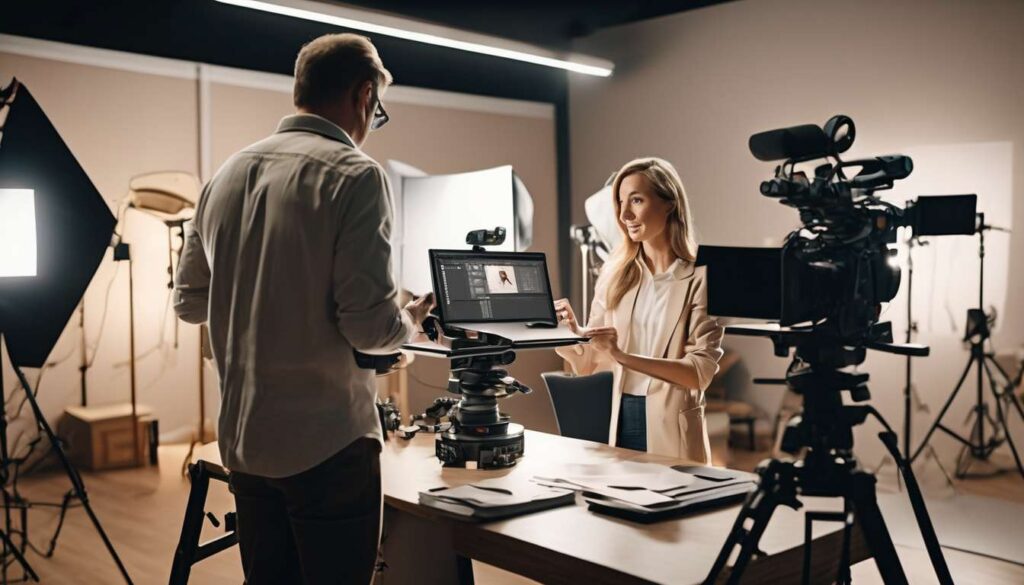
Bringing rigorous professional training into adult video production is a decisive move toward excellence — not a concession to morality.
Treating the studio like any other creative workplace — with standardized safety protocols, clear performance coaching, and technical skill development — elevates both the final product and the dignity of everyone involved.
When producers, performers, and crew receive structured instruction in consent communication, on-set etiquette, lighting techniques, and ergonomics, shoots run more efficiently and more creatively.
Informal apprenticeship is not enough. Deliberate pedagogy reduces misunderstandings, minimizes risk, and fosters innovation.
Investing in curricula that blend consent frameworks, acting coaching, and technical mastery creates repeatable quality and a more sustainable workforce.
This article will:
- Outline practical training models.
- Present evidence of industry benefits.
- Describe steps studios can adopt to professionalize operations while respecting autonomy and artistic expression.
Rationale for Training
We need professional training because it closes skill gaps, raises safety and consent standards, and ensures consistent, high-quality production across our studios.
We believe structured consent training, rigorous on-set safety protocols, and focused performance coaching form the backbone of respectful, reliable production.
When we train together, we share standards that make everyone feel included and protected:
- Clear checklists
- Agreed signals
- Documented boundaries
These replace guesswork and make expectations explicit for performers, crew, and producers.
We want everyone to know they belong to a team that values their wellbeing and craft equally.
Practical drills and scenario-based workshops help us internalize responses to unexpected situations, while coaching refines technique without compromising comfort.
That combination:
- Reduces errors
- Speeds workflows
- Builds mutual trust
Which, in turn, raises morale and retention.
Investing in recurring education also signals a commitment to ethical, professional practices that clients and partners can rely on.
In short, targeted training strengthens community, creates predictable outcomes, and upholds the dignity and safety of everyone involved.
Consent and Communication
We prioritize clear, ongoing communication.
We ensure everyone can express boundaries, ask questions, and stop activity at any time.
We build an environment where consent training is standard, not optional, and we all practice verbal check-ins before, during, and after shoots.
We welcome questions and normalize pauses; that sense of belonging helps people speak up without fear.
We align consent training with performance coaching.
Our coaches teach how to read cues, negotiate scenes, and maintain emotional clarity while respecting limits.
We document agreements and refresh them when situations change, keeping records accessible to the team.
We tie consent to broader on-set safety and shared responsibility.
Rather than repeating procedural protocols, the focus is on mutual respect, transparent expectations, and shared responsibility.
We hold debriefs that let people reflect, suggest improvements, and feel heard.
By embedding these practices we strengthen trust, reduce misunderstandings, and create a studio culture where everyone knows their voice matters.
On-Set Safety Protocols
We implement clear, practical safety protocols that everyone follows to prevent hazards, manage medical needs, and respond quickly if anything goes wrong.
We train crew and performers in consent training and emergency procedures, so everyone knows boundaries, safe words, and when to pause or stop.
Our on-set safety briefings are concise, scheduled, and inclusive—people can ask questions without judgment and suggest improvements.
We keep medical kits, AEDs, and a designated safety officer on every shoot, and we log incidents transparently to learn and adapt.
Equipment checks and risk assessments happen before doors open; lighting, rigging, and props are double-checked by qualified staff.
We also coordinate breaks, hydration, and private rest areas so participants feel cared for.
We pair these protocols with respectful performance coaching that reinforces consent and technique without pressure, ensuring each person belongs to a trusting environment.
By being consistent and accountable, we create safer sets where creativity and dignity thrive.
Performance Coaching Basics
We focus on practical coaching techniques that build confidence, refine delivery, and preserve each performer’s boundaries and comfort.
We use performance coaching to create clear, consistent cues and language that everyone on set understands, linking emotional presence with physical choices.
We integrate consent training into warm-ups so boundaries become routine, not an afterthought.
- This reinforces trust and reduces misunderstandings.
We practice brief, targeted exercises that help performers modulate energy, eye contact, and pacing while respecting personal limits.
- Exercises are short, repeatable, and adaptable to individual needs.
We prioritize on-set safety by establishing check-ins, safe words, and agreed exit strategies before work begins.
- Keep communication simple and actionable.
- Ensure everyone knows the protocol for pausing or stopping a scene.
We encourage peer feedback in structured formats so performers feel supported and included, not judged.
- Use guided prompts and time-limited rounds to keep feedback constructive.
We balance artistic intent with wellbeing, adapting coaching styles to individual needs and cultural contexts.
- Be flexible with approaches and mindful of cultural differences in communication and touch.
We document consent and comfort preferences, review them regularly, and adjust sessions responsively.
- Maintain an accessible record of limits, triggers, and preferred signals.
By staying direct and compassionate, we build a collaborative environment where creative risk-taking and care go hand in hand.
Technical Skill Development
We focus on practical, repeatable technical drills that improve camera awareness, timing, and continuity while keeping performers comfortable and prepared.
We run short, focused exercises that build rhythm between camera operators and talent, using clear cues so everyone knows when a take starts and ends.
We pair technical drills with consent training protocols so boundaries are respected even during fast-paced work.
We practice coverage patterns, eyelines, and mark work until they become second nature, and we debrief each run to hone timing.
We provide role-specific checklists that reinforce on-set safety and reduce guesswork.
- These checklists help newcomers feel supported.
- They also help veteran crew stay accountable.
Our performance coaching complements technical drills by aligning emotional beats with camera movement rather than overriding them.
Together, these components create a predictable, respectful workflow where skill grows through repetition and feedback.
We cultivate an environment where everyone belongs, knows the rules, and can contribute confidently to consistent, professional results.
Ergonomics and Wellbeing
We prioritize ergonomic setups and regular wellbeing checks so crew and performers stay healthy, rested, and able to do their best work.
We create inclusive spaces where people feel seen and supported, arranging lighting, seating, and camera positions to reduce strain and prevent injury.
We schedule breaks and monitor workloads so no one feels isolated by fatigue.
We integrate consent training into wellbeing routines, reinforcing clear communication and boundaries before, during, and after shoots.
We practice on-set safety protocols together, from equipment handling to emergency plans, so everyone knows they can rely on each other.
We pair performance coaching with mental-health check-ins, helping performers build resilience and confidence while honoring limits.
We foster peer support networks and debriefs after sessions, normalizing conversations about stress and recovery.
By combining practical ergonomics, shared safety habits, and ongoing coaching, we build a studio culture where belonging and wellbeing are central, and everyone can contribute sustainably and with dignity.
Curriculum Implementation Steps
We’ll roll out the curriculum in clear phases—planning, piloting, full implementation, and review—so teams can adopt new practices steadily and measure progress.
1. Planning.
- Map roles, resources, and timelines so everyone knows how consent training, on-set safety, and performance coaching fit into daily routines.
- Define success metrics and checkpoints.
2. Piloting.
- Pilot modules with a representative crew and performers.
- Gather practical feedback and adjust materials to reflect lived experiences.
3. Full implementation.
- Schedule regular, accessible sessions and assign mentors.
- Create checkpoints so people feel supported rather than singled out.
- Standardize documentation and quick-reference guides that reinforce agreed norms and reporting pathways.
4. Review.
- Convene inclusive debriefs where staff and performers share what worked and where we can improve.
- Foster shared ownership and update the curriculum accordingly.
Throughout the process, prioritize clear communication, mutual respect, and incremental change.
The goal is for the curriculum to become part of our studio culture—not a one-off event—helping everyone thrive together while maintaining professional standards.
Measuring Training Impact
We’ll track measurable outcomes — like incident reports, participant confidence scores, and retention rates — to evaluate how training changes behavior and studio culture.
Baseline and repeated measures. We’ll collect baseline data before rolling out consent training, on-set safety modules, and performance coaching, then repeat measures at set intervals.
Multiple data sources. We’ll use:
- anonymous surveys,
- structured observations,
- HR metricsto gain a rounded picture.
Tie results to curriculum. We’ll report improvements in confidence and reductions in incidents, tying changes to specific curriculum elements so teams see what’s working.
Inclusive success criteria. We’ll involve performers, crew, and producers in setting success criteria so everyone feels included and accountable.
Shared dashboards and reviews. We’ll create dashboards with clear, shared indicators and hold regular review sessions to celebrate progress and address gaps.
Capture qualitative change. We’ll also track qualitative feedback to capture cultural shifts that numbers miss.
Consistent, transparent measurement for continuous improvement. By measuring consistently and transparently, we’ll ensure training strengthens belonging, raises standards, and provides actionable insight to refine consent training, improve on-set safety, and sharpen performance coaching for lasting, measurable change.
How will participating in the training affect the legal liability and insurance costs for studio owners and producers?
How participating in the training will affect legal liability and insurance costs for studio owners and producers
Reduced legal exposure through clear policies and documentation.
Following the training will help you create and enforce clear policies, obtain documented consent, and apply consistent safety protocols. This reduces the likelihood of negligence claims and strengthens your legal position if disputes arise.
Lower insurance premiums and fewer claims.
Insurers favor documented risk-management practices. By demonstrating active safety and consent protocols, you can often secure lower premiums and reduce the frequency and severity of claims.
Stronger defense if issues arise.
Clear records (policies, signed consent forms, incident logs, training completion) provide evidence that you acted responsibly. This improves your defense in disputes and can limit damages or settlement amounts.
Improved relationships with carriers and partners.
Consistent, professional risk-management signals reliability to insurers and business partners. That makes coverage easier to obtain and renew, and can broaden available policy options.
Operational confidence and team support.
Training fosters a culture of safety and accountability. This reduces operational risk and gives owners/producers confidence that the team is aligned with best practices, which further reassures insurers and stakeholders.
Practical actions to maximize these benefits:
- Ensure written policies and safety protocols are implemented and accessible.
- Require and retain documented consent forms for applicable activities.
- Keep training and incident records organized and up to date.
- Communicate your risk-management program to your insurer at renewal time.
- Consider working with a broker to capture training-related discounts or endorsements.
If you’d like, I can draft a sample consent form, a checklist of policies insurers typically look for, or a short memo you can share with your carrier explaining the training program.
What accommodations are made for performers with disabilities, and are there specialized modules for accessible production practices?
What accommodations do performers with disabilities need?
We provide mobility aids, adjustable sets, clear communication tools, captioning, and flexible scheduling.
- Mobility aids (wheelchair access, ramps, handrails).
- Adjustable sets and props (height-adjustable platforms, movable seating).
- Clear communication tools (sign language interpreters, visual cueing, FM systems).
- Captioning and real-time transcription.
- Flexible scheduling and rest breaks to accommodate medical or energy needs.
We consult performers to tailor needs.
- Individual needs assessment before rehearsals and performances.
- Ongoing check-ins to adjust accommodations as situations change.
- Written plans documenting agreed supports and points of contact.
Does training include accessible production practices?
Yes — we include specialized modules on accessible casting, set design, assistive tech, consent protocols, and emergency procedures.
- Accessible casting practices (inclusive audition formats, alternative audition materials).
- Inclusive set and prop design (clear circulation paths, tactile markers).
- Assistive technology training (how to operate and troubleshoot hearing/visual support systems).
- Consent and personal-boundary protocols (intimacy and touch guidelines, respecting personal care routines).
- Emergency and evacuation procedures tailored for performers with access needs.
How do we prepare crew and collaborators?
We train crew in respectful language, lifting techniques, and collaboration so everyone feels safe, valued, and fully included.
- Disability-awareness and respectful-communication workshops.
- Safe-lifting and transfer techniques (when appropriate and only after consent).
- Collaboration skills for working with interpreters, aides, and access professionals.
- Role-specific checklists so crew know how to support accessibility during rehearsals and performances.
Overall commitment
We prioritize consulting performers with disabilities, documenting accommodations, and embedding accessible practices across training and production to ensure equitable participation.
Will the training address mental health support beyond on-set wellbeing, such as access to long-term counseling or crisis intervention services?
We appreciate the question about long-term mental health support.
We’ll include modules that go beyond on-set wellbeing, connecting performers with ongoing counseling options, crisis hotlines, and referrals to licensed therapists.
We’ll train managers to recognize signs needing long-term care and to facilitate confidential access.
We’ll also partner with community mental health resources to ensure continuity, normalize help-seeking, and create a culture where everyone feels supported and safe.
Conclusion
You’re now ready to take those training principles and raise your studio’s standards across every shoot.
By prioritizing consent, clear communication, and on-set safety, you’ll protect performers and crew while fostering professionalism.
Use performance coaching, technical skill-building, and ergonomics to boost quality and wellbeing.
Follow a structured curriculum and track outcomes so you can refine training and prove its value.
With consistent implementation, your studio will deliver safer, higher-quality productions and sustain long-term success.